Omarchy Quattro: Why My M4 MacBook Air Has Been Gathering Dust
I’ve been running Omarchy as my daily driver for nine months now.
Five of those months, my MacBook Air M4 has sat closed on the shelf like an expensive paperweight. I open it maybe once a month to check iMessage or pretend I’m still a “serious Apple user.” Spoiler: I’m not. The M4 is fast, the battery is ridiculous, and the build quality is still excellent… and yet every time I try to work on it I feel like I’ve been demoted.
Omarchy just feels mine in a way macOS stopped being years ago.
And then Quattro dropped.
The Biggest Update Since the Project Started
Omarchy Quattro (Omarchy 4) is not a polite point release. DHH and the crew rebuilt the entire desktop shell from the ground up in Quickshell.
The old stack – Waybar + Walker + Mako + SwayOSD + hyprlock + friends – is gone. In its place sits a single long-running Quickshell process that hosts the bar, menus, notifications, OSDs, lock screen, polkit agent, and control panels as plugins.
One process. Shared services. Instant IPC. Actual coherence.
The numbers are almost rude: the Omarchy codebase itself grew ~4× (mostly 40k lines of QML), but the overall system is roughly a quarter of the previous size because they deleted a mountain of external dependencies. The ISO is smaller. Installs are stupidly fast (sub-minute is normal; someone just set a 50-second record on an HP ZBook). New native apps (Omacut, Omawrite, Omacalc) are tiny C++/Qt tools that still respect the system theme.
It feels like the desktop finally grew up.
The Plugin System Is the Real Story
This is the part that made me grin like an idiot.
Plugins are just git repositories with a manifest.json. Installation is:
omarchy plugin add https://github.com/someone/cool-thing.gitIt clones into ~/.config/omarchy/plugins/, validates, and stays disabled until you explicitly enable it (pass --enable, or run omarchy plugin enable <id> later). Updates are regular git pulls with a diff preview. No custom package manager. No ceremony. Just git.
Supported kinds: bar widgets, full bar replacements, panels, overlays, menus, and headless services. First-party widgets use the exact same contract as third-party ones. You can even clone a built-in clock, tweak it, and the shell prefers your version.
The community didn’t wait for the final release. By beta there were already 44 third-party plugins on omarchyplugins.com. A few days later it was 75. Right before launch? Over 100. The growth is slightly unhinged in the best possible way.
Why This Matters After Nine Months
I’ve lived with the previous Omarchy for three quarters of a year. It was already excellent – keyboard-driven, beautiful, fast, and opinionated in all the right places. But it still felt like a very polished collection of tools.
Quattro feels like a platform.
When the shell, the bar, the notifications, and the lock screen all share the same process and the same theme engine, little frictions disappear. When adding a new widget is a one-liner and the shell picks it up without a restart, the temptation to tinker becomes productive instead of fragile.
I’ve already installed a handful of community plugins and cloned two built-ins to customise. None of them broke the world. That alone is progress.
The M4 Still Exists (Technically)
I keep the MacBook Air around for the rare moments I need something that only exists in the Apple ecosystem. But those moments keep shrinking. After five months of almost zero use, the M4’s main job is looking pretty on the desk and making me feel slightly guilty.
Omarchy Quattro just made the guilt worse.
If you’ve been on the fence about ditching macOS (or Windows) for a proper Linux daily driver, this is the version that tips the scale. The shell finally matches the ambition of the rest of the system, and the plugin ecosystem arrived fully formed before the release even landed.
Nine months in, and I’m more locked in than ever.
Now if you’ll excuse me, I have a couple more plugins to try and a MacBook that needs dusting.
May your deploys be boring, your bar stay thin, and your abandoned Apple silicon stay abandoned.
// RELATED_ARCHIVES
> Sep 2026 · 7 min read
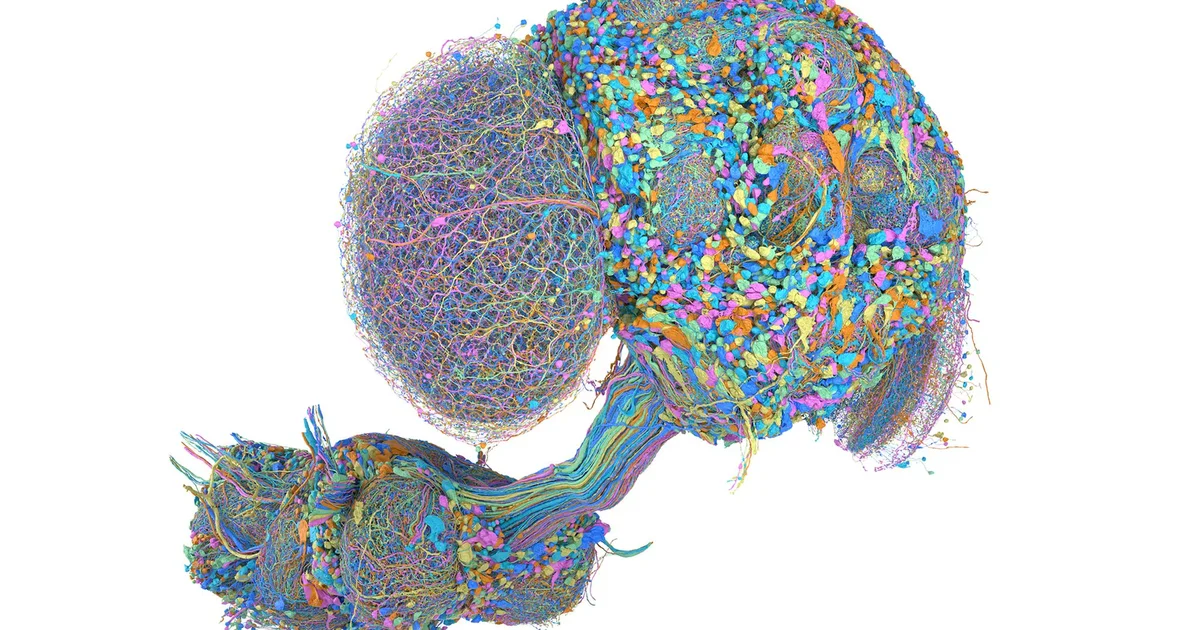
They Mapped a Fly Brain. The Internet Made It Play Doom
Google and Janelia finished the male fruit fly CNS — 166k neurons, 125 million synapses. Ten days later it was flying around Minecraft, swinging sabers, and dying in Doom. Science is fine. The internet is unwell.
> Jun 2026 · 6 min read
NVIDIA RTX Spark: Laptops Become AI Teammates (Finally?)
NVIDIA just fused Blackwell AI and RTX graphics into one super-efficient chip for slim laptops and tiny desktops. Your PC is no longer just a tool — it’s now your slightly over-caffeinated coding buddy.
> Apr 2026 · 7 min read
Claude Mythos "Zero-Days": Hype, Sandbox-Off & OpenAI Déjà Vu
Anthropic’s shiny new model crushes benchmarks… but only after turning off the sandbox, stripping defenses, and using pre-known crashes. My skeptical thread just got visual proof. Classic AI-lab marketing or actual game-changer? Let’s dissect the fine print (with laughs).